
Laboratories
The Central Laboratory of the University of Isfahan began its activities in 2003 with the aim of providing research services to faculty members, researchers, and graduate students of the university, as well as researchers and industrialists across the country. It also aimed to organize major laboratory equipment to optimize the use of research devices in various educational and research fields of the university. By consolidating major laboratory equipment under the Central Laboratory, it achieved the following:
Enhancing the quality and variety of services offered to customers and increasing satisfaction.
Adopting a sustainable development model by adhering to international quality and environmental standards.
Increasing the national and international reputation of the university.
Allowing all researchers and scholars to use the available facilities and equipment.
Increasing knowledge and developing work skills in the field of laboratory equipment.
Improving adherence to safety principles, workplace hygiene, and environmental regulations according to standards.
Biotechnology Laboratories
Currently, there are 7 laboratories operating in the biotechnology laboratory complex at the University of Isfahan, as described below:
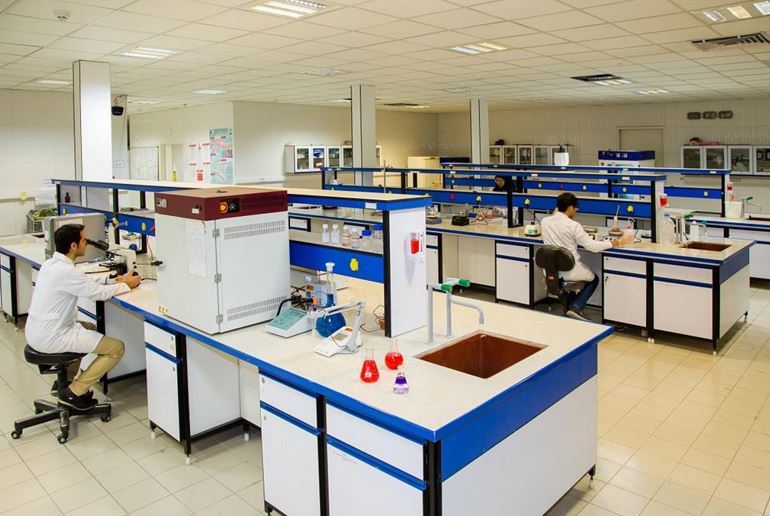
This includes general devices such as heaters, balances, pH meters, incubators, ovens, shakers, etc., and performs activities as follows:
Converting waste into valuable products using biological methods
Producing biofuels from waste
Bioremediation of oil pollution
Activities include:
Optimization of biopharmaceuticals in eukaryotes and prokaryotes
Production of recombinant proteins
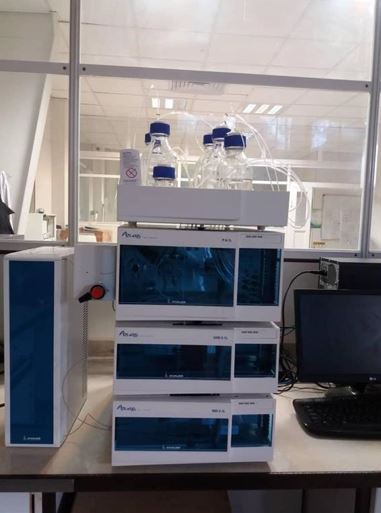
Includes gas chromatography (GC) for analyzing volatile liquid and gas samples, and high-performance liquid chromatography (HPLC).
Includes electrospinning devices.
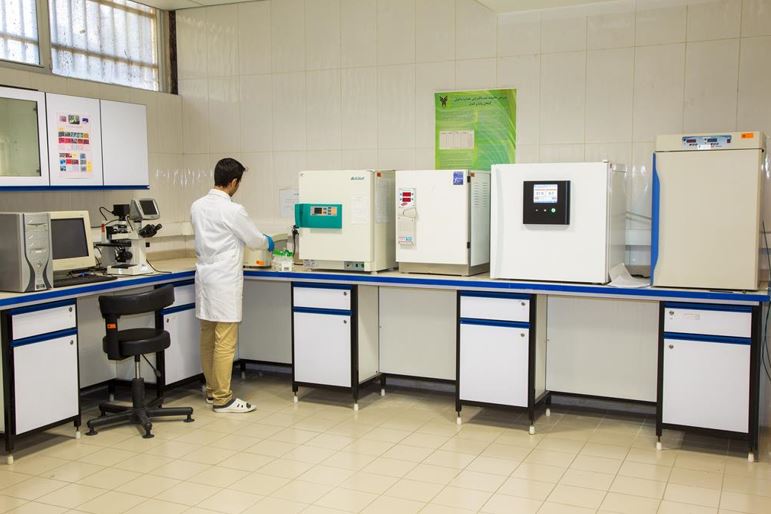
This includes cell culture hoods, ELISA readers, microscopes, and CO₂ incubators. Activities conducted here include:
Cell culture and MTT assay
Culturing non-pathogenic HIV viruses and testing the anti-HIV properties of drugs
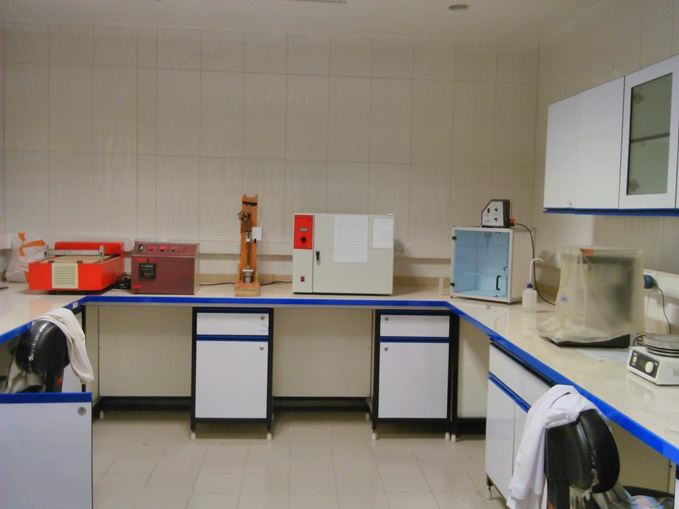
This includes Deep coater, Casting machine, and ultrasonic probe. Activities in this laboratory include:
Nano-biotechnology for producing biopharmaceuticals
Nano-biotechnology in tissue engineering and stem cells
Desalination of water using nano-structured biological membranes
Environmental nano-biotechnology
Design and production of nanostructured blood filters for hemodialysis
Stabilization of enzymes on nanostructured supports for industrial use
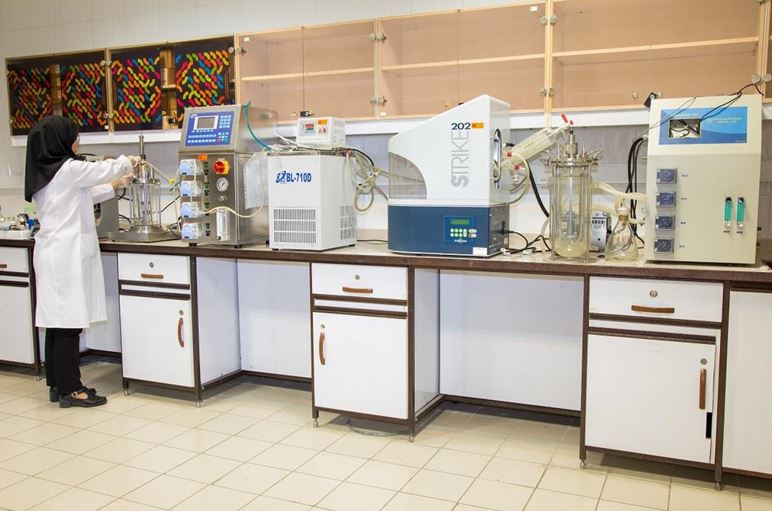
This includes PCR devices, gel documentation, electrophoresis, and fermenters.
Molecular Section: Molecular activities such as gene amplification and electrophoresis, observing bands using gel documentation.
Fermentation Section: Fermentation experiments using fermenters.
Industrial Biotechnology Laboratory
Pilot pressure reactors
Pilot microalgae culture
Pilot wastewater treatment
